The system is processing. Please wait a moment!

Opening hours: Monday - Friday (7:00 - 17:00)



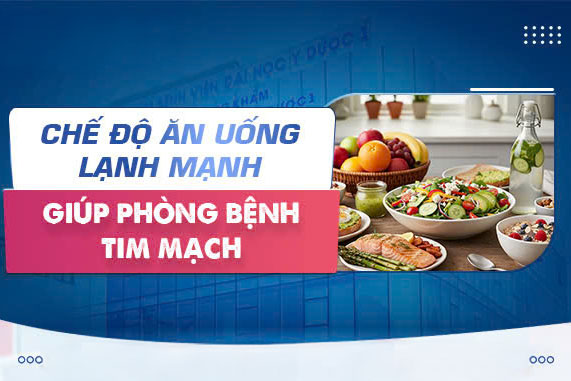
Healthy Diet Helps Prevent Heart Disease
Building a healthy diet is one of the most effective and simple ways to prevent cardiovascular disease. By focusing on green vegetables, fruits, whole grains and limiting salt and unhealthy fats, you can control blood pressure, reduce bad cholesterol and maintain an ideal weight, thereby significantly reducing the risk of dangerous cardiovascular diseases.
1. Portion control
Portion control is not just about how much you eat, but also about balancing the nutrient groups. Eating too much, especially high-energy foods, leads to overweight and obesity, which increases the risk of cardiovascular disease. You should focus on eating slowly and chewing thoroughly to give your brain time to recognize the feeling of fullness.
In addition, you can apply the "healthy plate" principle to each meal, including:
● ½ portion is vegetables and fruits.
● ¼ of your serving should be whole grains like brown rice and oats.
● ¼ is protein-rich foods such as lean meat, fish, tofu, eggs...
Portion control not only helps maintain ideal weight but also reduces the burden on the heart, helping the cardiovascular system work more efficiently.

Meals need to be balanced in both "quality" and "quantity"
2. Eat lots of green vegetables and fruits
One of the effective ways to prevent cardiovascular disease is to increase green vegetables, tubers and fruits in the daily diet. Fiber in vegetables and fruits plays an important role in reducing the absorption of bad cholesterol (LDL) in the intestine, helping to control blood fat and maintain stable blood pressure.
Dark green vegetables and potassium-rich fruits such as bananas, sweet potatoes, oranges, and avocados also help balance sodium and support blood vessel dilation, thereby reducing the risk of high blood pressure. In particular, many green vegetables and fruits are also rich in antioxidants such as flavonoids and carotenoids, which help protect cells from damage caused by free radicals, reduce inflammation, and prevent atherosclerosis.
Every day, you should eat at least 400g of vegetables and fruits (equivalent to 5 servings). In addition, limit bottled juices because they contain a lot of sugar. Instead, prioritize eating them directly to fully absorb natural fiber.

Green vegetables, tubers and fruits provide many nutrients that are beneficial for the heart.
3. Increase whole grains
Unlike refined grains, whole grains retain both the bran and germ, and contain lots of soluble fiber, B vitamins, and minerals like magnesium, zinc, and iron. These substances help maintain stable cholesterol levels, control blood sugar, and reduce the risk of heart disease and stroke. Soluble fiber is especially capable of binding cholesterol in the intestines and excreting it, preventing it from being absorbed into the blood.
Some heart-healthy options include oats, brown rice, rye bread, rolled oats, quinoa, barley, etc. You can start with small changes like replacing white rice with brown rice or using whole wheat bread instead of white bread. This seemingly small change brings big benefits to heart health in the long run.

Whole grains are rich in soluble fiber which helps prevent cholesterol absorption.
4. Limit your intake of unhealthy fats
Không phải tất cả các loại chất béo đều ảnh hưởng không tốt đến hệ tim mạch. Tuy nhiên, chất béo bão hòa, có trong mỡ động vật, bơ, kem, thịt đỏ và chất béo chuyển hóa (trans fat) trong đồ chiên rán, bánh quy, thức ăn nhanh là “kẻ thù” đối với sức khỏe tim mạch. Những loại chất béo này có thể làm tăng cholesterol LDL, gây xơ vữa động mạch, tắc nghẽn mạch vành và tăng nguy cơ nhồi máu cơ tim.
Để kiểm soát lượng chất béo và bảo vệ tim, bạn nên:
● Hạn chế các món chiên, nướng và thực phẩm chế biến sẵn.
● Ưu tiên sử dụng các loại dầu thực vật lành mạnh như dầu ô liu, dầu hướng dương, dầu hạt cải, dầu mè hoặc dầu cá.
● Ưu tiên chế biến thực phẩm bằng cách hấp, luộc hoặc áp chảo nhẹ thay vì chiên ngập dầu để giảm lượng chất béo mà vẫn giữ được hương vị và giá trị dinh dưỡng.
Một chế độ ăn hạn chế chất béo xấu nhưng vẫn đủ năng lượng sẽ giúp bạn duy trì tim khỏe mạnh, mạch máu linh hoạt và phòng ngừa hiệu quả các bệnh tim mạch.

Hạn chế tiêu thụ thức ăn nhanh
5. Ưu tiên nguồn Protein ít chất béo
Protein là chất cần thiết để duy trì cơ bắp và tái tạo mô, nhưng một số nguồn protein như thịt bò, thịt cừu chứa nhiều chất béo bão hòa có thể làm tăng nguy cơ bệnh tim mạch. Thay vào đó, bạn có thể lựa chọn các loại thực phẩm như cá, thịt gia cầm bỏ da, trứng, sữa, các loại đậu và hạt. Đặc biệt là các loại cá béo như cá hồi, cá thu, cá trích, cá ngừ… chứa nhiều axit béo omega-3, có tác dụng giảm triglycerid, ổn định nhịp tim, ngăn ngừa viêm mạch máu và giảm nguy cơ nhồi máu cơ tim.

Ưu tiên nguồn protein ít chất béo giúp ngăn ngừa bệnh tim mạch
6. Hạn chế ăn mặn
Muối là gia vị quen thuộc trong bữa ăn hằng ngày, nhưng việc tiêu thụ quá nhiều muối lại là một trong những nguyên nhân hàng đầu gây tăng huyết áp, từ đó làm tăng nguy cơ bệnh tim mạch, đột quỵ và suy tim. Khi lượng natri trong máu tăng cao, cơ thể giữ nước nhiều hơn để cân bằng, khiến tim phải làm việc vất vả hơn để bơm máu, lâu dài dẫn đến tổn thương mạch máu.
Theo Tổ chức Y tế Thế giới (WHO), người trưởng thành chỉ nên tiêu thụ dưới 5g muối mỗi ngày, tương đương một thìa cà phê nhỏ. Tuy nhiên, thực tế cho thấy hầu hết mọi người đều ăn mặn hơn mức khuyến nghị này.
Để giảm tiêu thụ muối hiệu quả, bạn có thể áp dụng các cách sau:
● Hạn chế thực phẩm chế biến sẵn như đồ hộp, xúc xích, dưa muối, mì gói, nước chấm, vì đây là những “nguồn muối ẩn” dễ bị bỏ qua.
● Tập thói quen ăn nhạt dần, sử dụng ít muối, nước mắm, bột nêm khi nấu ăn.
● Ưu tiên phương pháp chế biến tự nhiên như hấp, luộc, nướng hoặc salad, giúp giữ trọn hương vị món ăn mà không cần dùng quá nhiều gia vị.
● Thay thế một phần muối bằng gia vị tự nhiên như hành, tỏi, gừng, tiêu, chanh, rau thơm để món ăn vẫn ngon miệng mà tốt cho sức khỏe.
Hạn chế muối không chỉ giúp ổn định huyết áp, mà còn bảo vệ thận, tim và mạch máu, góp phần quan trọng trong phòng ngừa bệnh tim mạch lâu dài.

Hấp luộc giúp giữ trọn hương vị món ăn mà không cần dùng quá nhiều gia vị
7. Uống đủ nước
The body needs water to maintain stable blood circulation and support the heart to function effectively. When there is a lack of water, the blood becomes thicker, forcing the heart to work harder to pump blood throughout the body.
Adults should drink 1.5-2 liters of filtered water per day, depending on weight and activity level. In addition, you should limit sugary drinks such as soft drinks, canned juices and alcoholic beverages because they increase blood sugar, cause obesity and increase the risk of cardiovascular disease.

Drink enough water to maintain stable blood circulation
8. Measures to prevent cardiovascular disease besides diet
Diet is an important foundation for a healthy heart, but healthy eating alone is not enough. To effectively prevent cardiovascular disease, you need to combine a scientific lifestyle and moderate daily living habits.
8.1. Exercise regularly
Physical activity helps increase blood circulation, reduce blood pressure, improve blood lipids and control weight. You should maintain at least 150 minutes of moderate intensity exercise per week (equivalent to 30 minutes/day, 5 days/week). You can start with light activities such as walking, cycling, then gradually increase the time and intensity.

Exercise brings many benefits to cardiovascular health.
8.2. Give up alcohol and tobacco
Tobacco and alcohol are dangerous enemies of the cardiovascular system. Nicotine in tobacco constricts blood vessels, increases blood pressure and reduces oxygen to the heart. Meanwhile, alcohol causes heart rhythm disturbances, increases blood fat and impairs heart muscle function. Giving up these habits will significantly reduce the risk of heart attack and stroke.
8.3. Regular health check-ups
Many cardiovascular diseases develop silently without obvious symptoms. Therefore, regular health check-ups help detect early signs of abnormalities such as high blood pressure, dyslipidemia, diabetes, etc. These are factors that can be controlled if detected promptly.

Cardiovascular screening at PKBVDHYD1 with leading experts
A reasonable diet is an important foundation in preventing cardiovascular disease. Just by making small changes in your daily eating habits, you can help your heart become healthier and prolong your life. In addition, you need to build a scientific lifestyle and proactively have regular check-ups and screenings to best protect your health.
















FOR A HEALTHIER LIFE
Working hours: Monday - Friday
(Morning 7:00-11:30, Afternoon 13:30-17:00)
Copyright © 2025. VIETSOVPETRO MEDICAL CENTER | Developed by CONNECTWORLD CO.,LTD